Beskydy Ridge Routes — Scenic Walks Without Steep Climbs
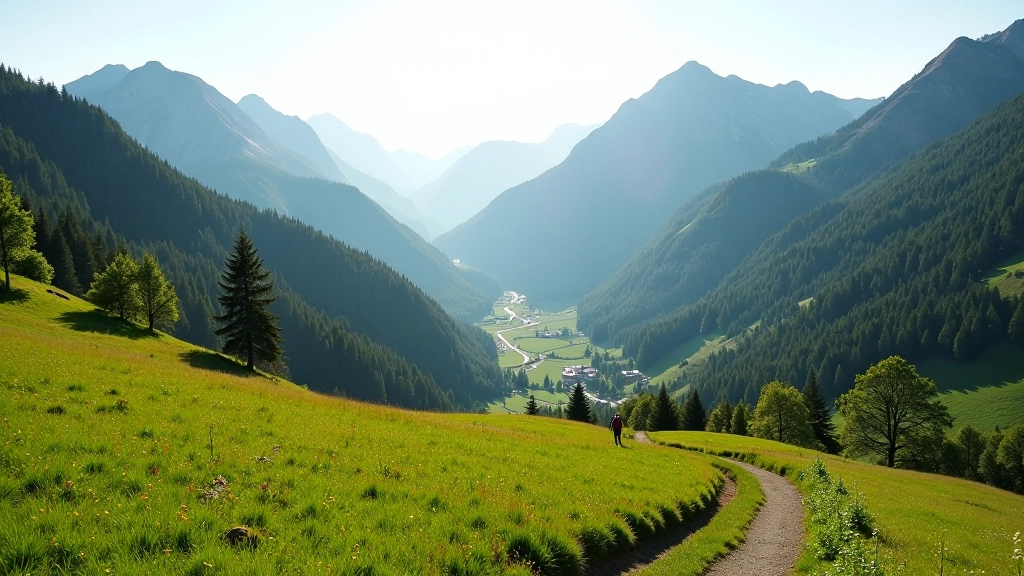
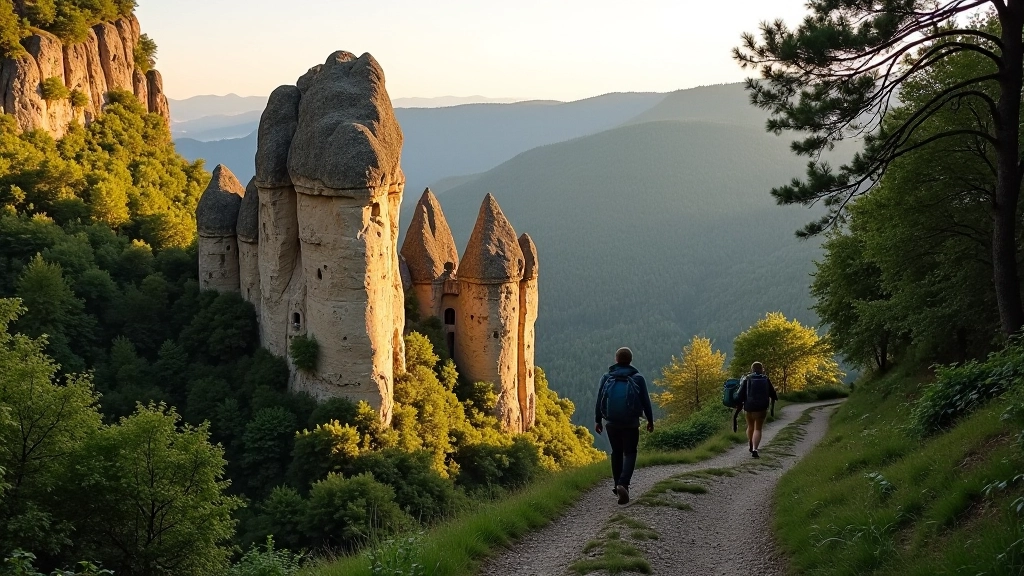
Ridge walks that feel more relaxed than they look. We show you the easier segments where you walk along the top with gentle elevation changes. Clear views and well-marked trails throughout.
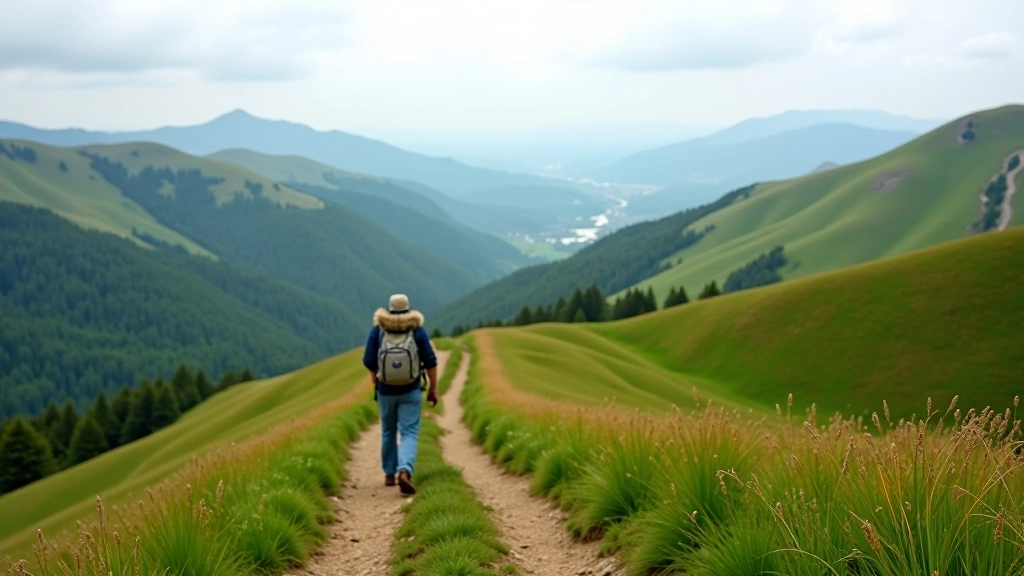
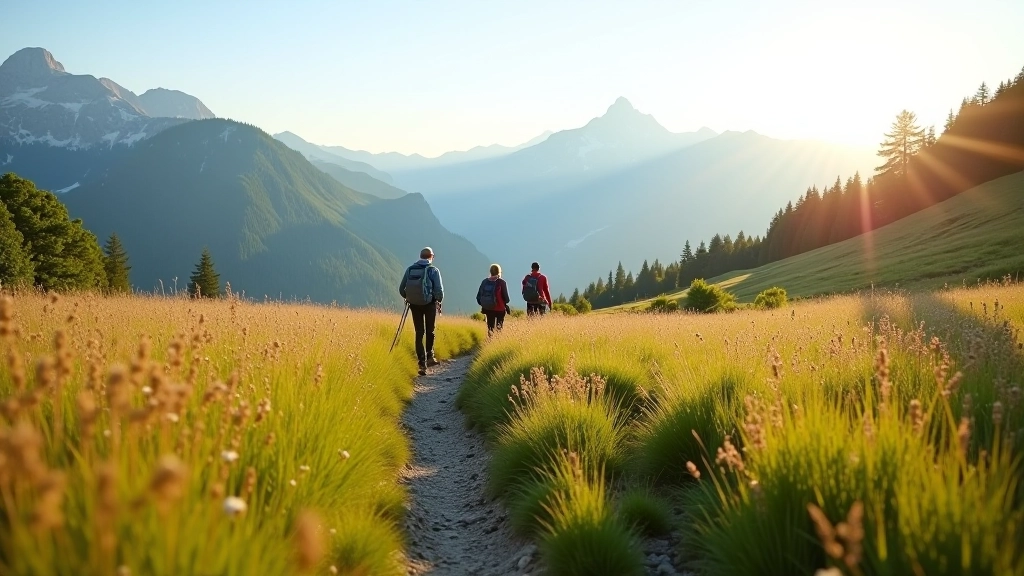
The Beskydy mountains stretch across the eastern part of the Czech Republic, and they're not what most people expect. When you hear "ridge route," you might imagine a lung-busting scramble with chains bolted to rock faces. But that's not what we're talking about here. The Beskydy ridges are different — you get to walk along some serious elevation with honest views in every direction, and you're not gasping for breath the whole way.
We've been guiding people through these mountains for years, and the routes we're sharing are the ones that work. They're the segments where the terrain stays reasonable, the paths are clear, and you actually get to enjoy the walk instead of just suffering through it. If you're 45 or older and you want to feel like you've done something real without needing three days to recover, these routes are worth your time.
Why the Beskydy Works for Ridge Walking
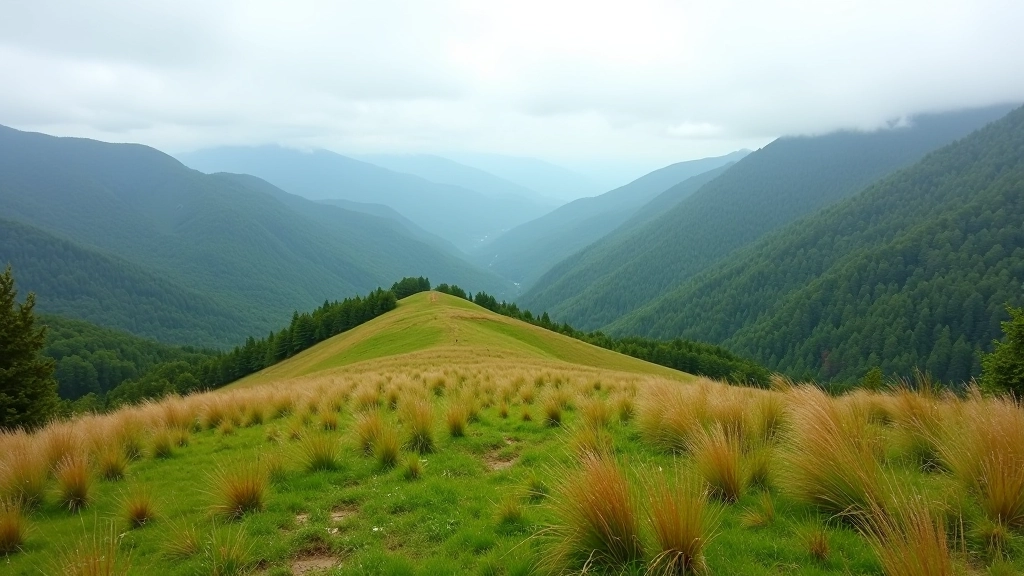
The Beskydy range sits between the Morava River valley and the Odra River system. That geography matters because it means the ridges here don't have that dramatic up-and-down pattern you get in some mountain ranges. Instead, you're walking along a plateau that rises gradually, dips occasionally, but mostly lets you maintain a steady pace.
The trails are maintained consistently. Paths are marked with painted blazes and directional signs. You won't spend your day navigating scrambled terrain or wondering if you've gone off-route. And the grass on these slopes is solid underfoot — not loose scree, not boggy ground. Just reliable turf that grips your boots properly.
Key insight: Most of these ridge segments gain elevation gradually over several kilometers. A 600-meter climb spread over 8 kilometers feels manageable. That same climb compressed into 2 kilometers feels brutal.
Three Segments That Work Well
We're not going to send you up the hardest parts of the Beskydy range. Instead, we've identified three segments that deliver the ridge experience without the extreme effort.
The Ostravská Beskyda segment: This is the western portion. You're walking roughly 10 kilometers along the ridgeline between 900 and 1100 meters elevation. The start is at Ostravice, which you can reach by local bus. From there, you climb gradually for about 3 kilometers to reach the ridge proper. Once you're up, the walking is consistent — no scrambling, no technical sections. You'll pass through meadow and low forest. It's quiet up there. Don't expect crowds.
The Moravskoslezské Beskydy section: Centered around Lysá Hora, which is the highest point in the range at 1,323 meters. But you don't start at the bottom. Most people take a local bus or car to a parking area around 800 meters elevation. From there, it's a manageable 5-kilometer walk to the summit, gaining about 500 meters. The final sections do get steeper, but they're short — maybe 20-30 minutes of real effort. Then you're on top with views that reach into Slovakia on clear days.
Getting There and What to Bring
Access is straightforward. The Beskydy are accessible from the city of Ostrava, which has direct train connections to Prague (about 5 hours). From Ostrava, local buses serve most of the trailheads. Regional transport runs regularly — you're not dependent on rental cars or expensive transfers.
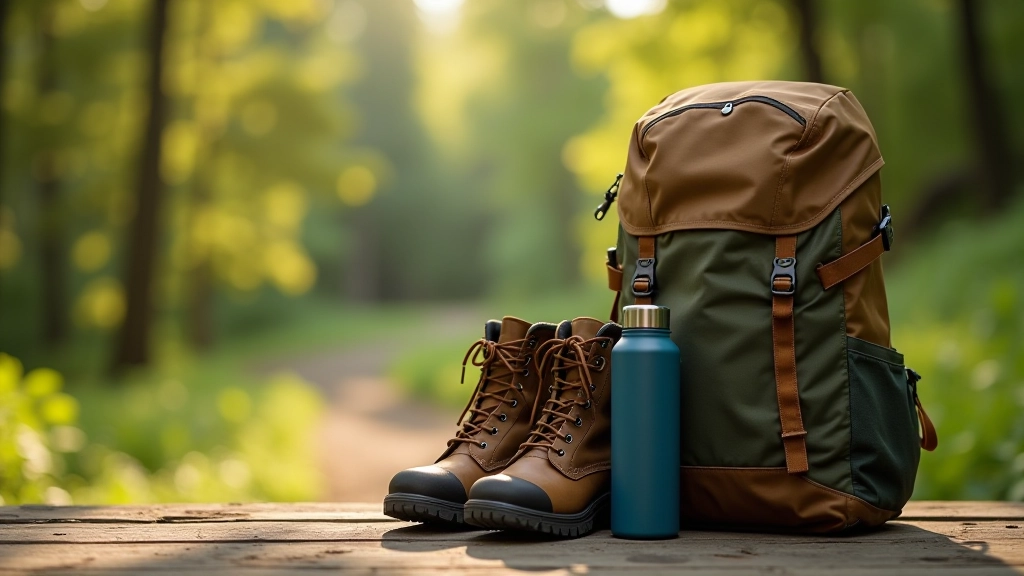
Gear-wise, you don't need technical equipment. Proper hiking boots with ankle support make a real difference on uneven terrain. The weather changes fast at elevation, so bring a windproof layer even if it's calm in the valley. We've seen people turn back because they were cold and uncomfortable — it's easily avoided with basic preparation.
Water is important. Carry at least 2 liters, or know where mountain huts are located. There aren't streams on every route. A basic first aid kit, sunscreen, and a map or GPS app are standard items. Nothing exotic — just practical stuff.
Best Time to Walk
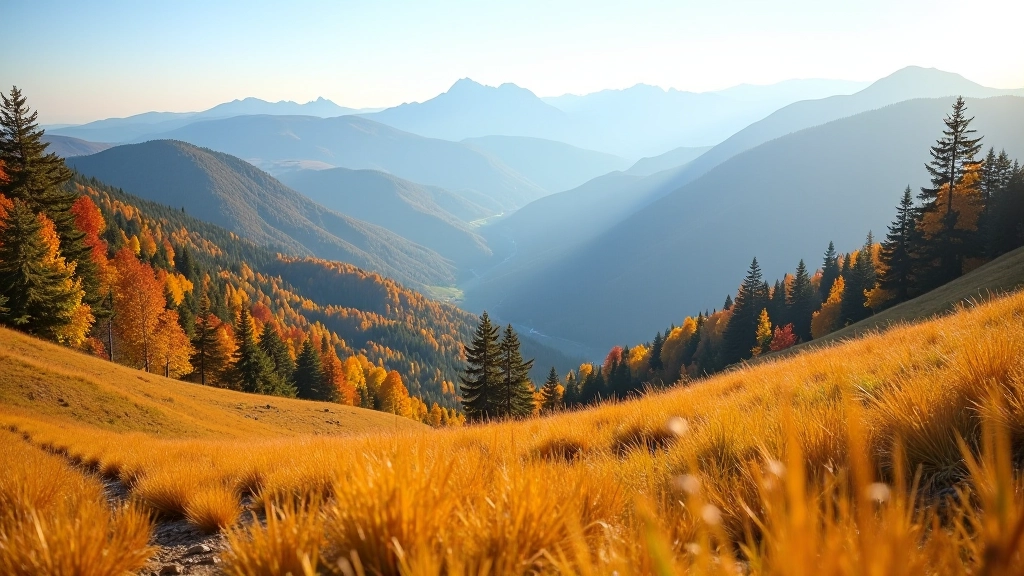
Late spring through early autumn works well. May through September gives you reliable weather and established trail conditions. Summer can be busy on popular routes, so June or September often feel better — fewer people, similar weather.
The Beskydy gets snow in winter, which changes the walking significantly. If you're experienced with winter hiking, it's possible. But for beginners, stick to the warmer months. Spring conditions can be muddy in the forested sections. By May, the ground's usually dried out.
Timing tip: Start early — by 7 or 8 AM. You'll finish by early afternoon with time to spare. The light is better in morning anyway, and you're not rushing through the good views.
What It Actually Feels Like
You'll spend most of the day walking through quiet landscape. Not silence — there's wind, birds, the sound of your boots on grass. But not noise. The ridges feel removed from civilization even though towns are visible in the distance.
The views change constantly as you walk. What was hidden by a slope suddenly opens up. You're walking toward a distant peak for hours, then you're past it and looking back. On clear days, you're seeing 30-40 kilometers in every direction. That's a real reward for your effort.
You'll likely encounter other walkers, especially near the major peaks. But there's space — you're not crowded. Local people walk these routes regularly, and they're friendly. It's not unusual to have a brief conversation with someone and then not see another person for an hour.
The physical sensation is steady. Your legs are working, your lungs are clear, and you're breathing hard enough to know you're exercising but not so hard that you can't enjoy the moment. That's the sweet spot most walkers are looking for.
Important Information
This article is educational and informational about hiking in the Beskydy mountains. Weather conditions, trail status, and individual fitness levels vary significantly. Always consult current conditions before heading out, check local weather forecasts, and consider your own physical ability honestly. If you're returning to exercise after a long break or have any health concerns, talk to your doctor before starting a new hiking routine. Conditions on these routes can change with season and recent weather. We recommend checking with local hiking groups or tourism offices for the most current information on trail status and difficulty.